

Narrative and emotional connection are keys to science communication
Science and Lifeology writer Jordan Pennells reviews the book "Don't Be Such a Scientist" and shows us why emotional stories are key to science communication.
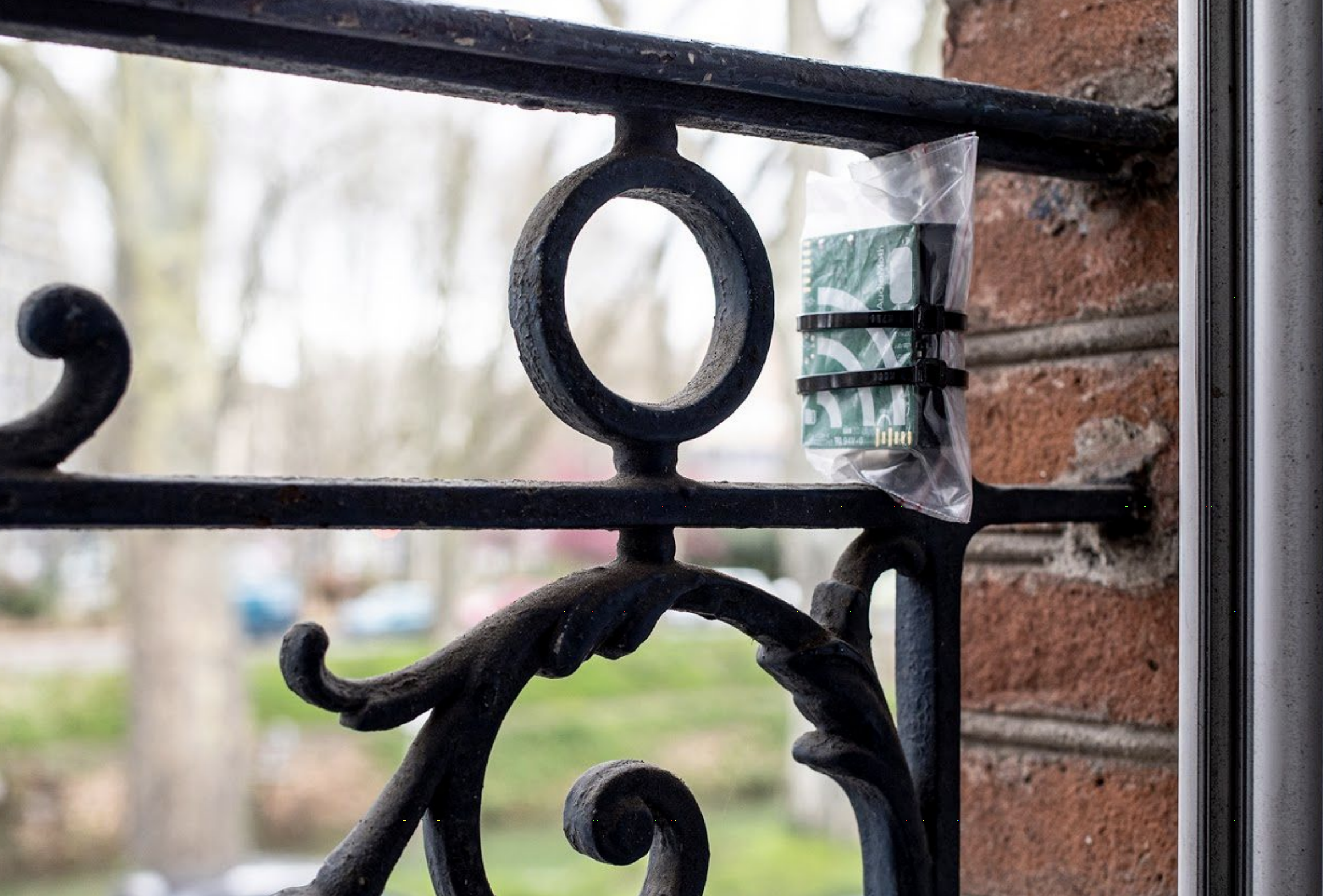
Silent Cities: Monitoring The Sound Of Human Quarantine Around The Globe
Help scientists monitor how the sounds of the world are changing because of the COVID-19 pandemic.
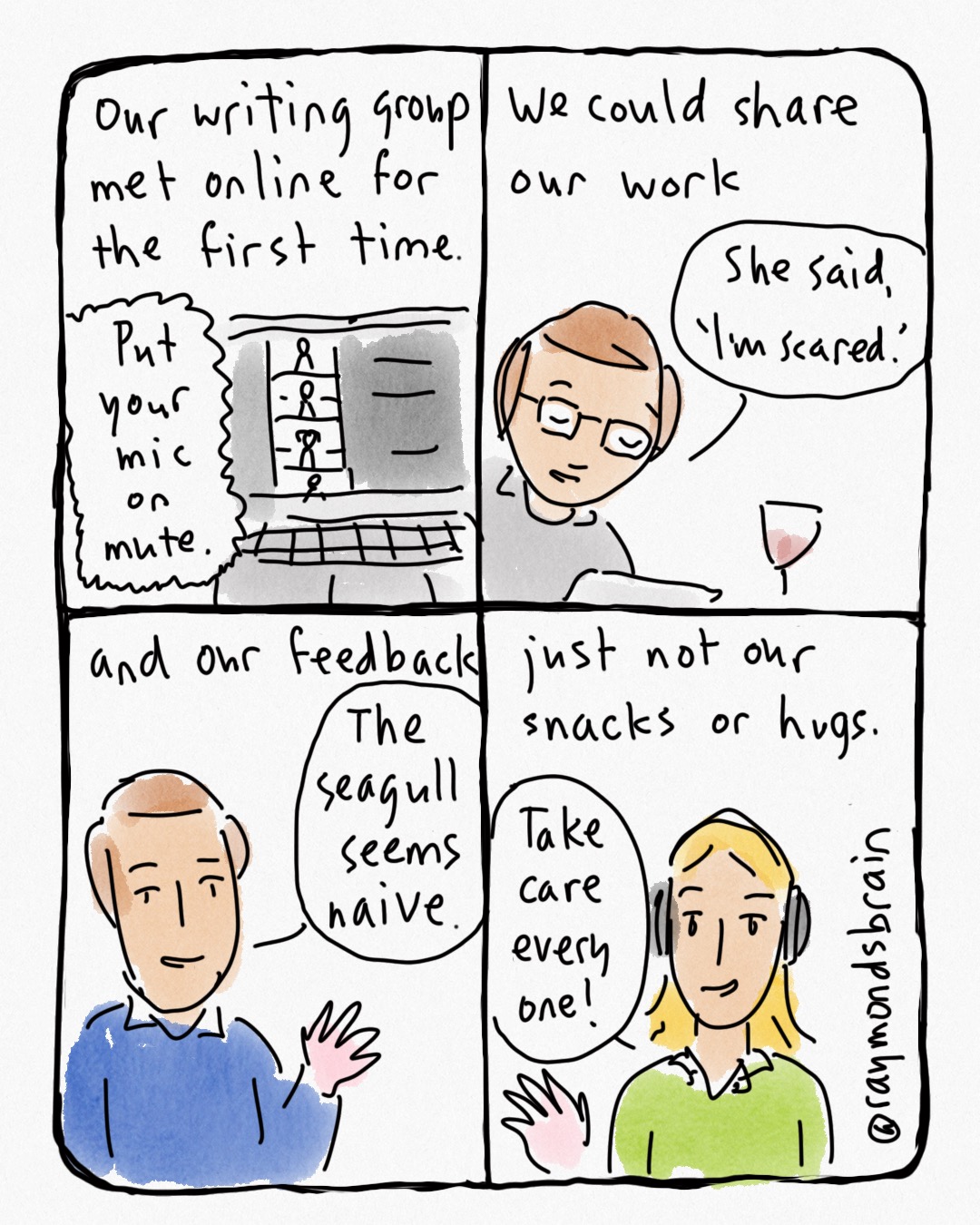
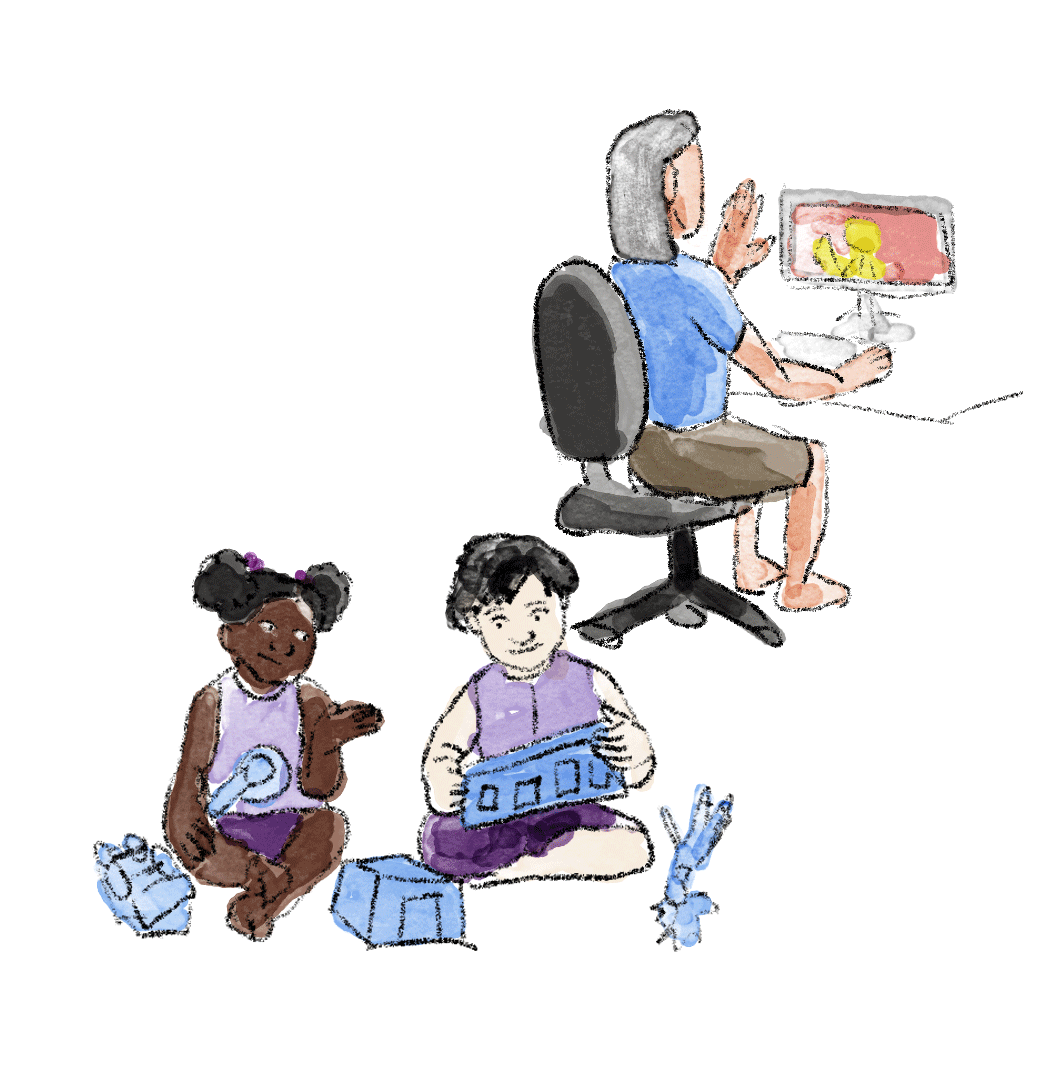
Together While Apart – A Comic
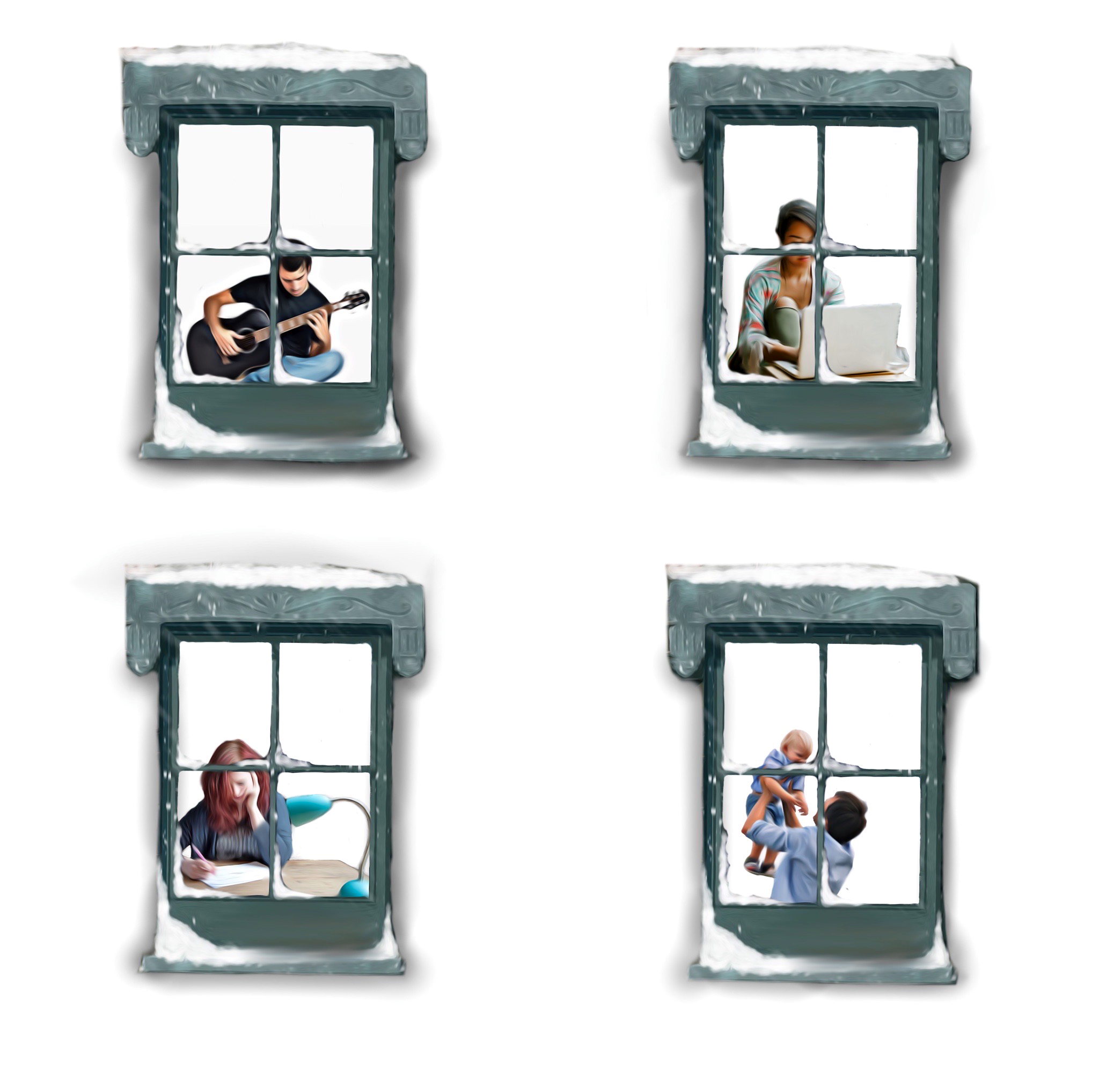
Together while apart - from writing classes to holiday weekends, we can stay connected virtually.
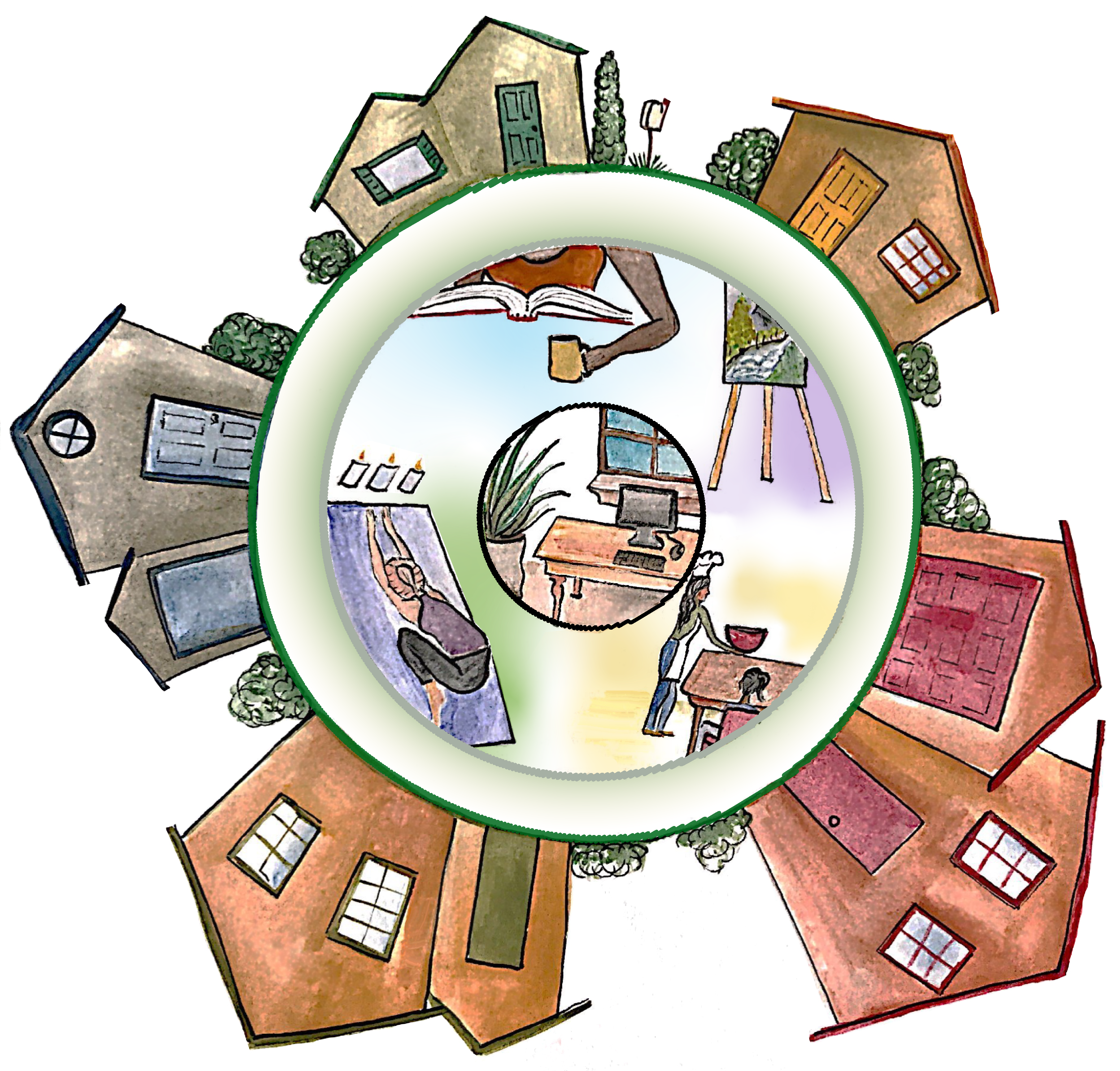
COVID-19 is hard on our mental health. Can we find the silver lining?
What can you do to improve your mental health in this time? Start by writing down what you do have control over, and embrace even tiny positive changes.

How to create a sense of community in physical isolation
Jo put together a list of resources and ways to create a sense of community in physical isolation during COVID-19. Check out these creative online activities!
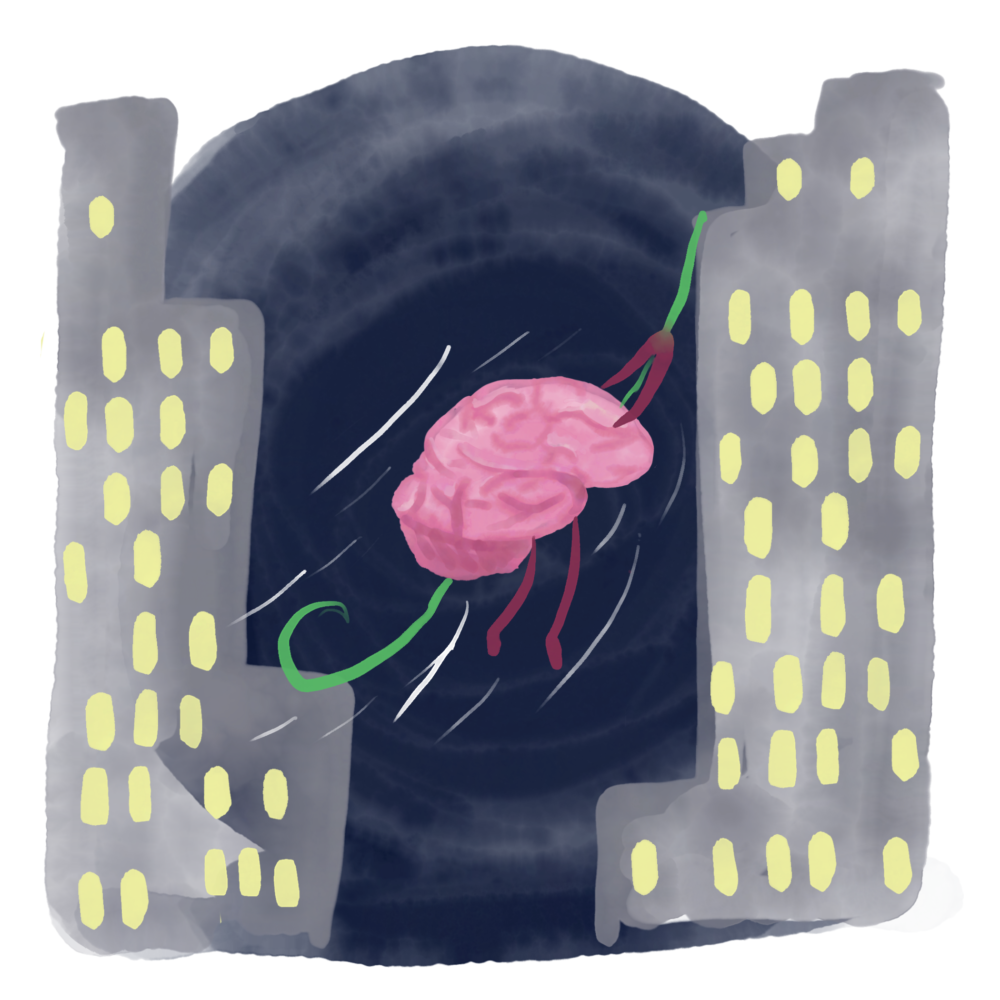
Artist Highlight: Jessika Raisor and a Watercolor Brain
Jessika Raisor shares her artwork, her advice for other artists and scientists, and her work illustrating a Lifeology course about mindfulness.
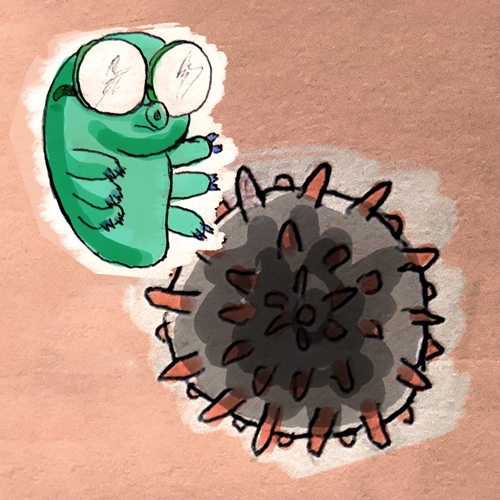
A COVID comic – “Coronavirus Needs You”
In this comic, Gaius uses art to explain why you don't need to worry about virus particles that are sitting on a surface multiplying on their own.
How paying artists leads to more science
Let's stop devaluing artists by asking them to work for exposure, and start investing in them so that you can focus on improving the world with your science.
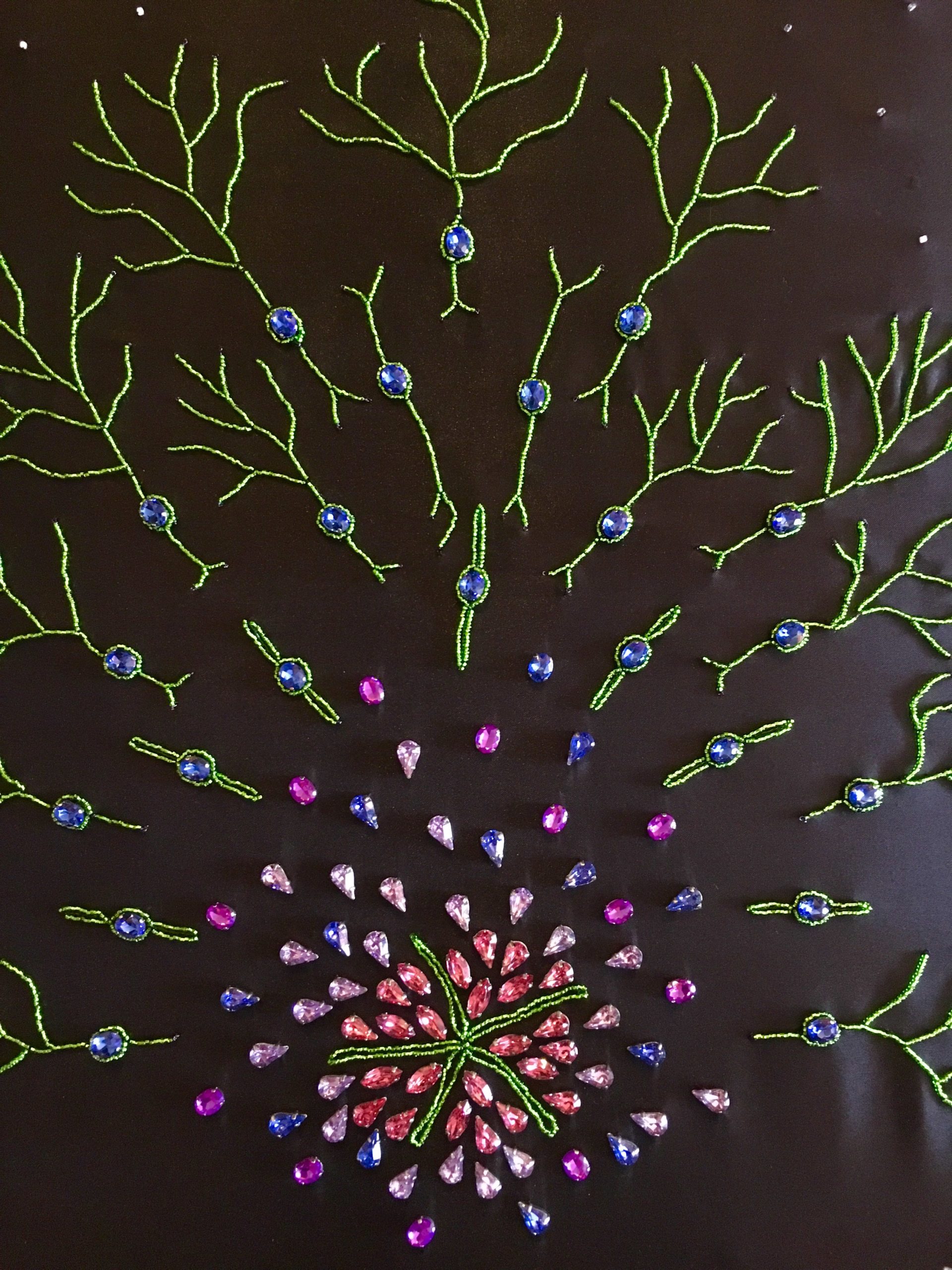
Choosing art, science or both
Our brains are wired for both science AND art. Yana writes about how she creates cell-inspired beadwork that helps us think differently about trauma.
How social media is keeping me sane throughout isolation
Sarah shares how social media has been helping her keep up with science but also manage the social isolation that the pandemic has imposed on many of us.
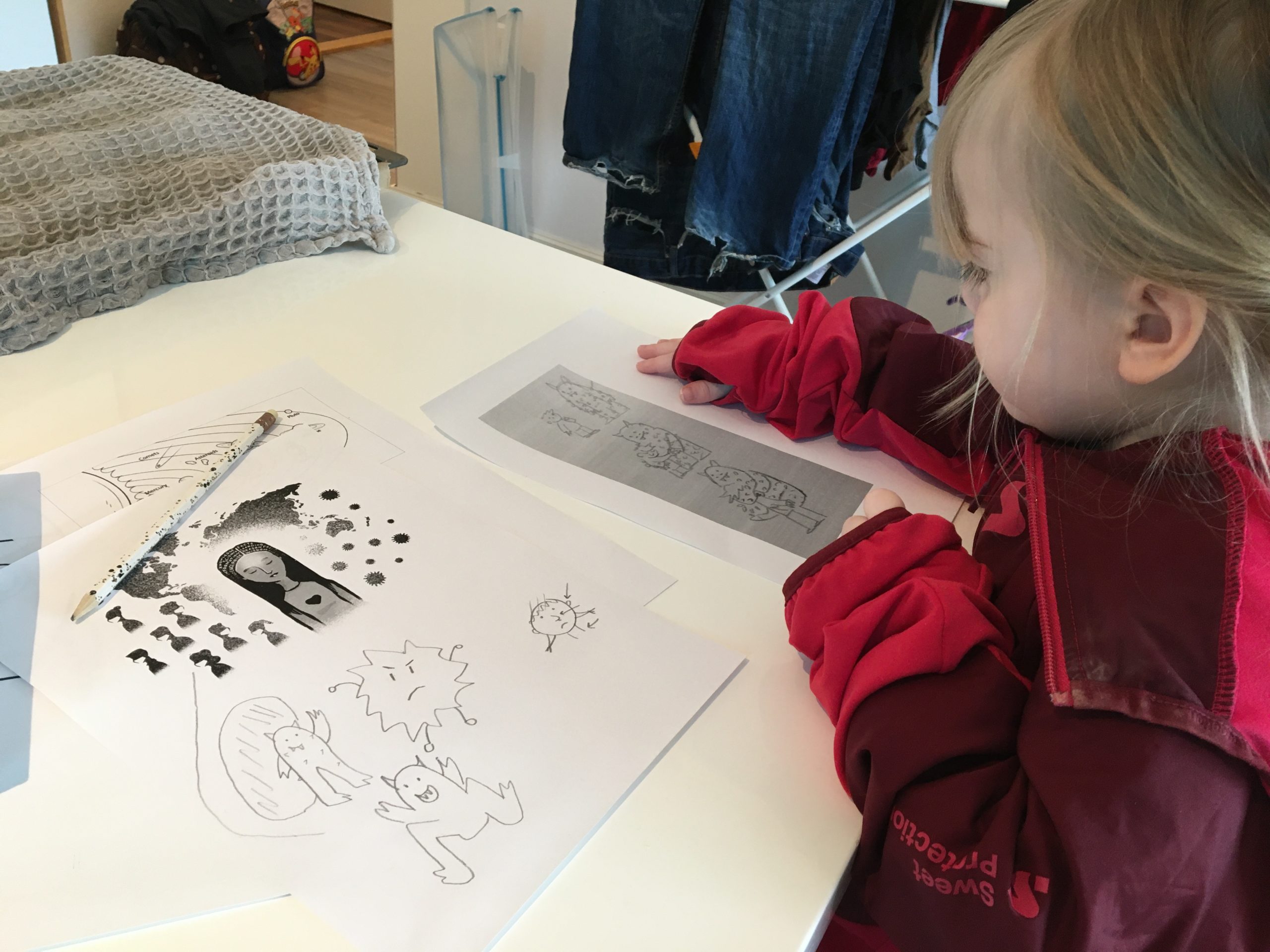
The science behind the “How to keep Covid away!” story for kids
Dr. Signe Aasberg answers your questions about the science behind Lifeology's "Covid" visual story for kids. Why does the virus like to get "on our backs"? Why do our guard cells not like viruses?
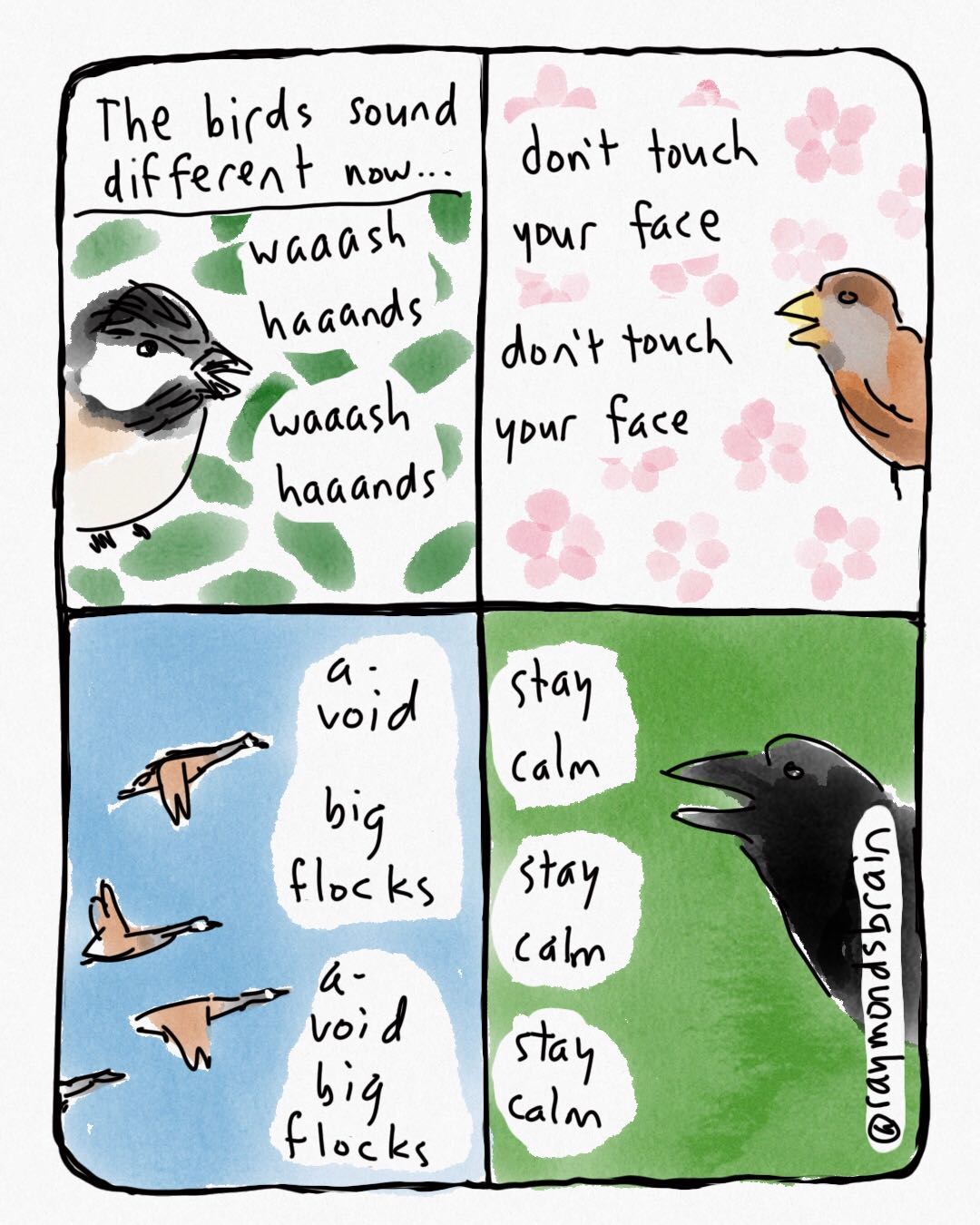
5 tips for isolating from people but reconnecting with nature
Science communicator Nick Harvey provides advice and tips on how to get kids and others into nature, even whilst maintaining social distancing.
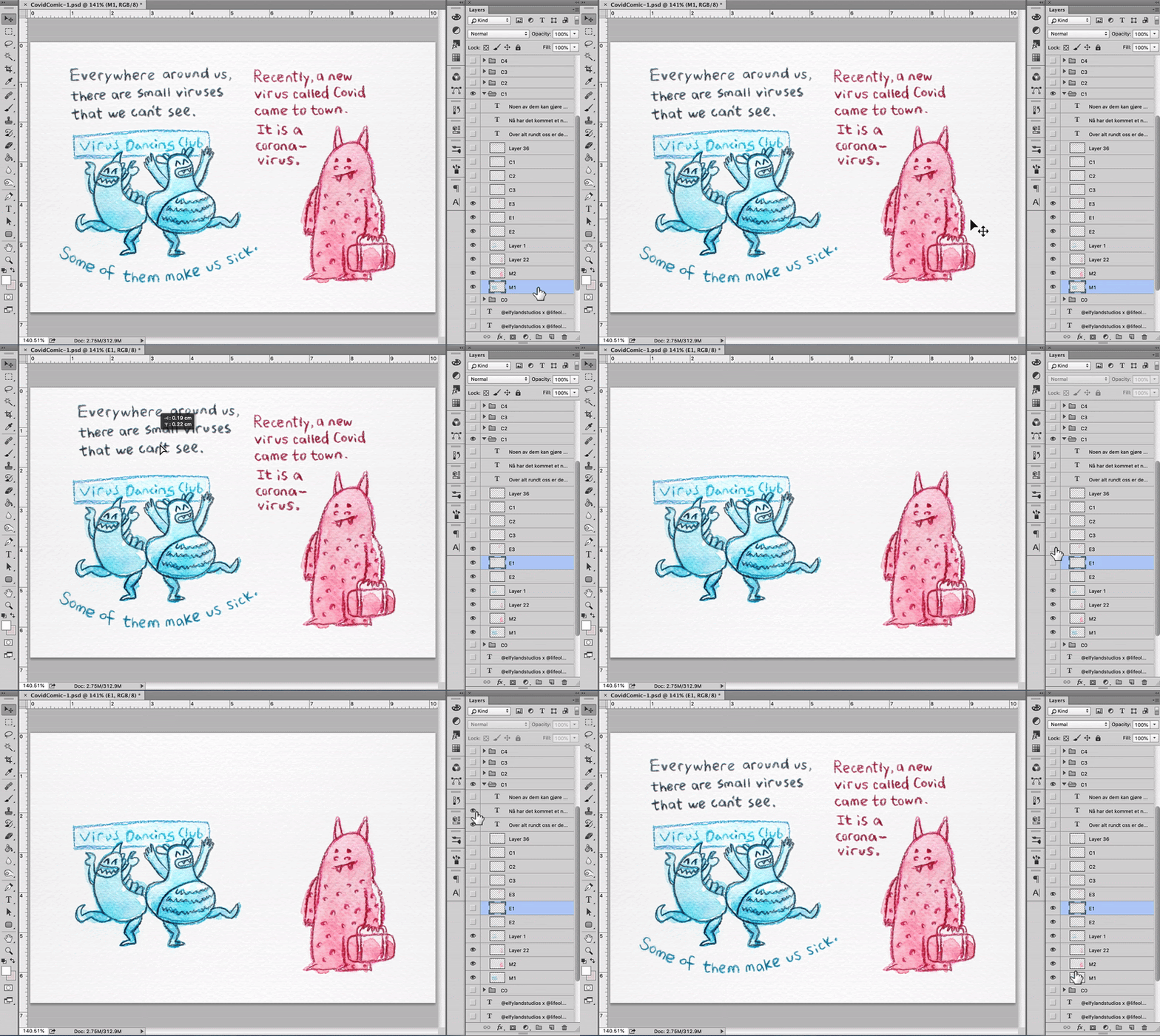
Art Process – Making a “Cute” Virus Monster
In this blog post, illustrator Elfy Chiang talks about the process of making Lifeology's popular "How to keep Covid away!" visual story.
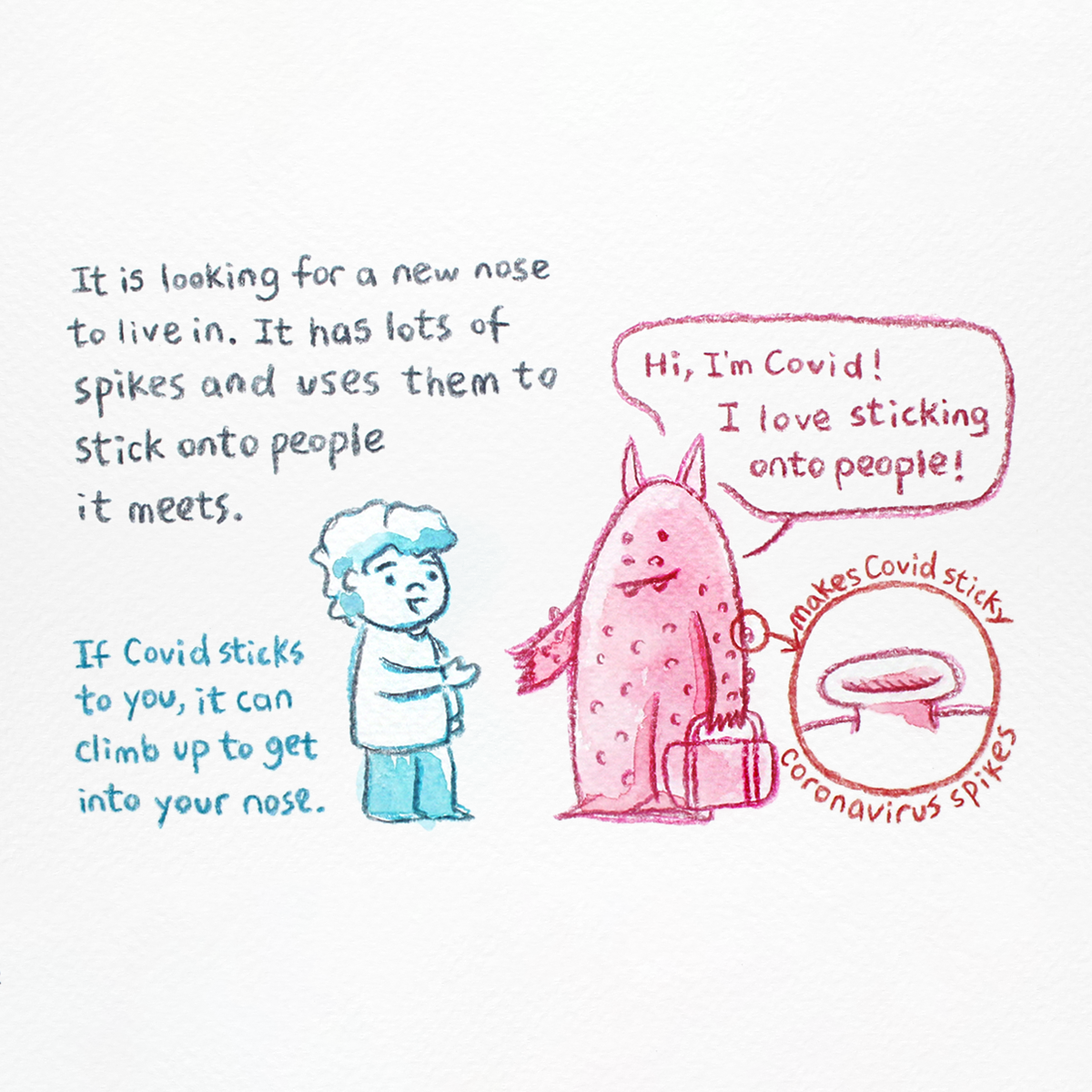
For Kids – How to keep COVID away!
Who is Covid? What is it doing in town? And how can we keep it away? A visual story for kids, reviewed by kids (and scientists).
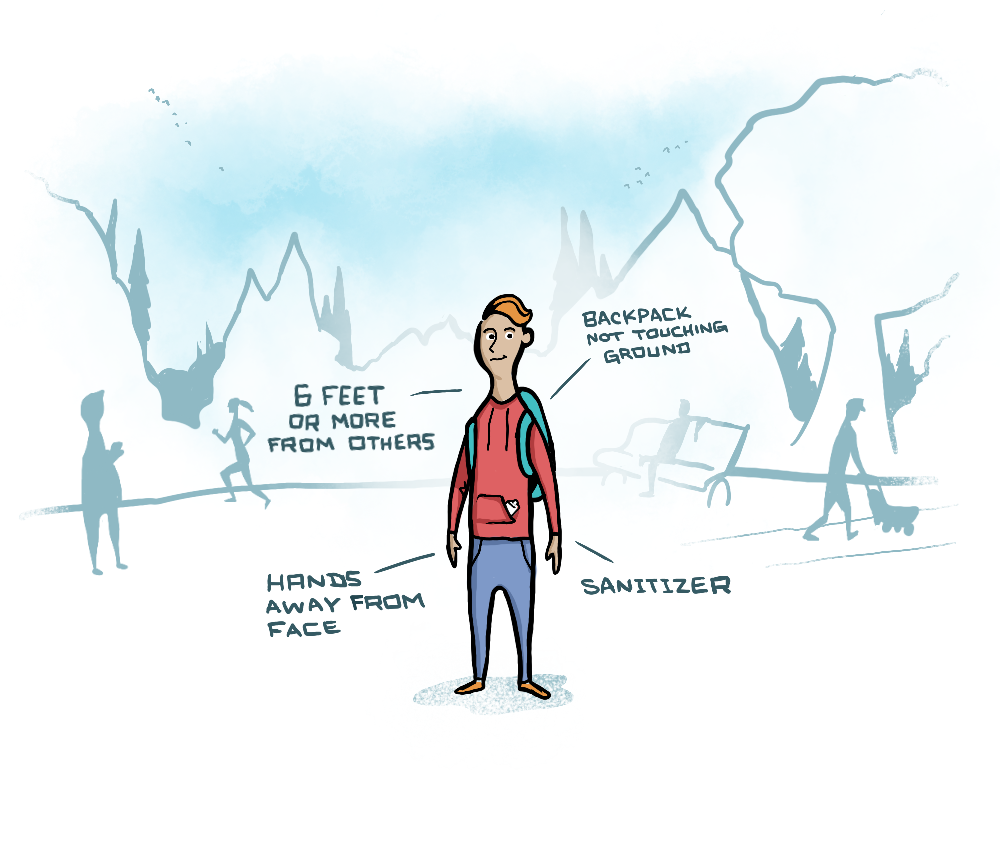
Keep viruses OUT by learning how scientists keep them IN the lab.
Scientists work with microbes and viruses in lab environments. You can learn from how they keep these things IN the lab, to keep them OUT of your body.

You are a storyteller. We’re all storytellers.
Any time that you using visuals in talking or writing about science, you are engaging in visual storytelling. The question is: Is your story compelling?
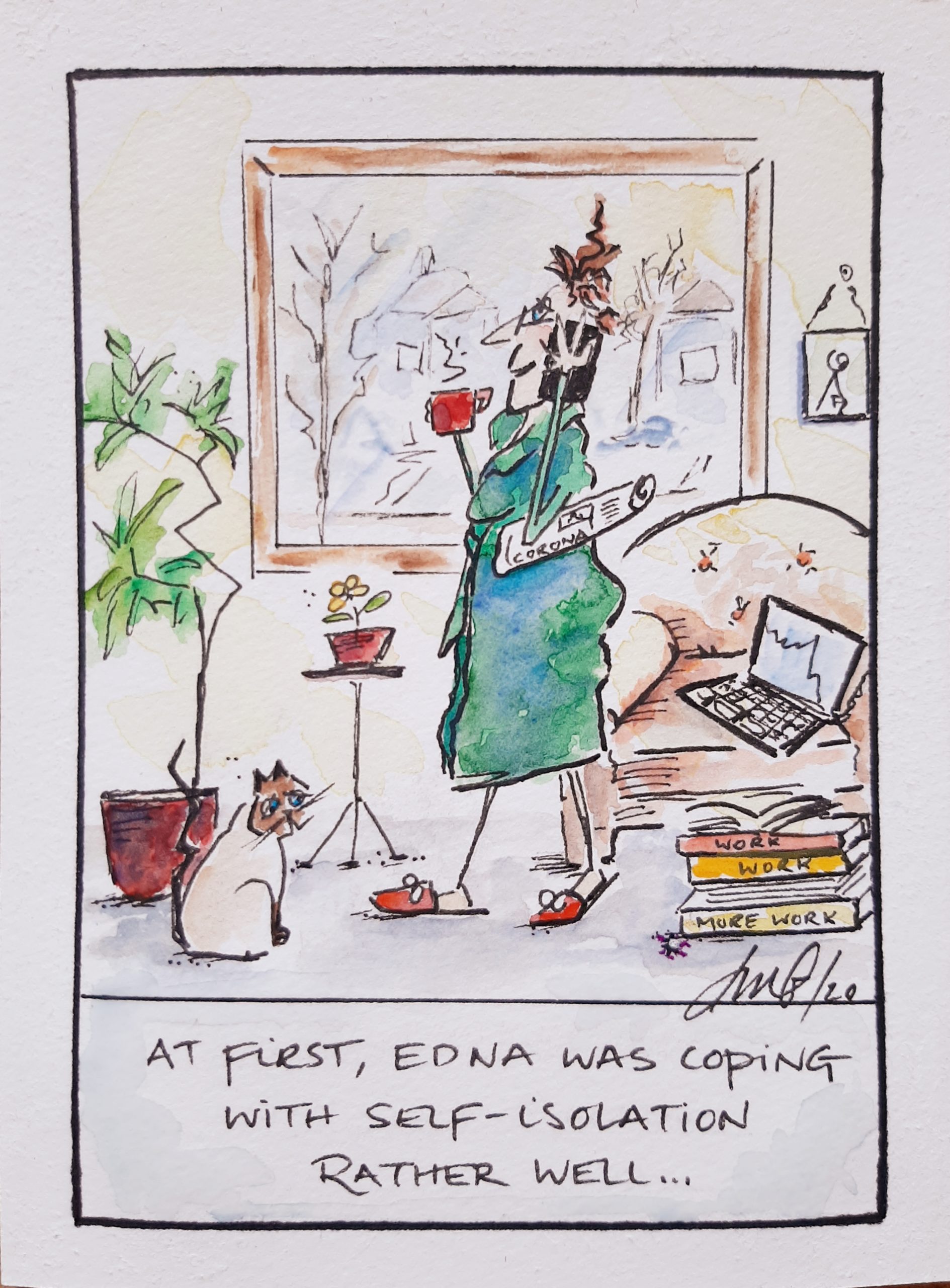
A COVID Cartoon – “Isolation”
Follow #CoronaEdna on her personal coming to terms with the pandemic, social distancing, and her own identity.
Tips for Social Distancing, with Art! COVID-19 SciArt
Social distancing can feel complicated with a ton of rules to follow. Here are some helpful illustrated tips from science artist Dr. Gaius J Augustus.
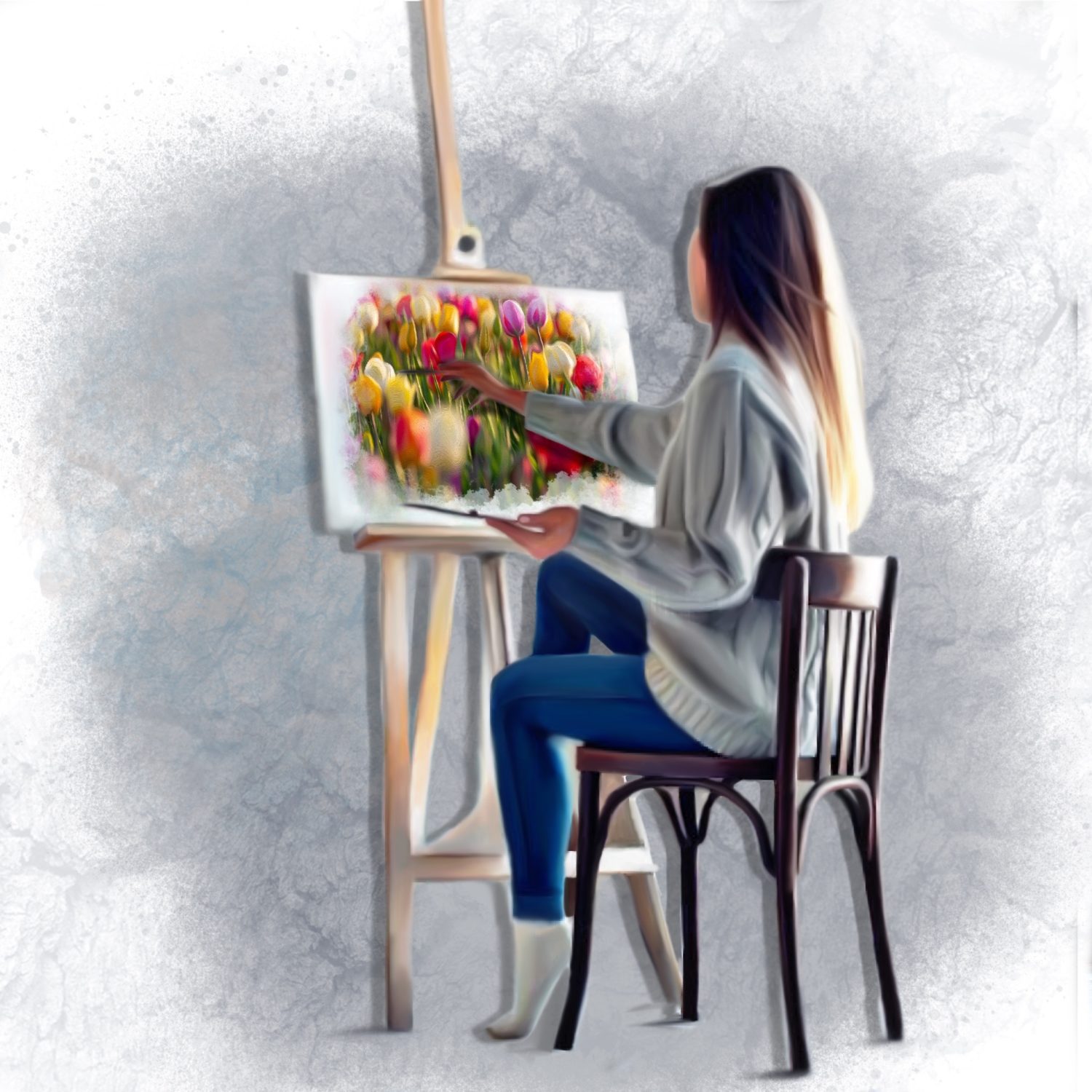
Arts and Crafts in a Time of COVID-19
Looking for something to do at home while you are self-quarantining, social distancing or self-isolating in the midst of the COVID-19 pandemic? Try arts, crafts and reading.
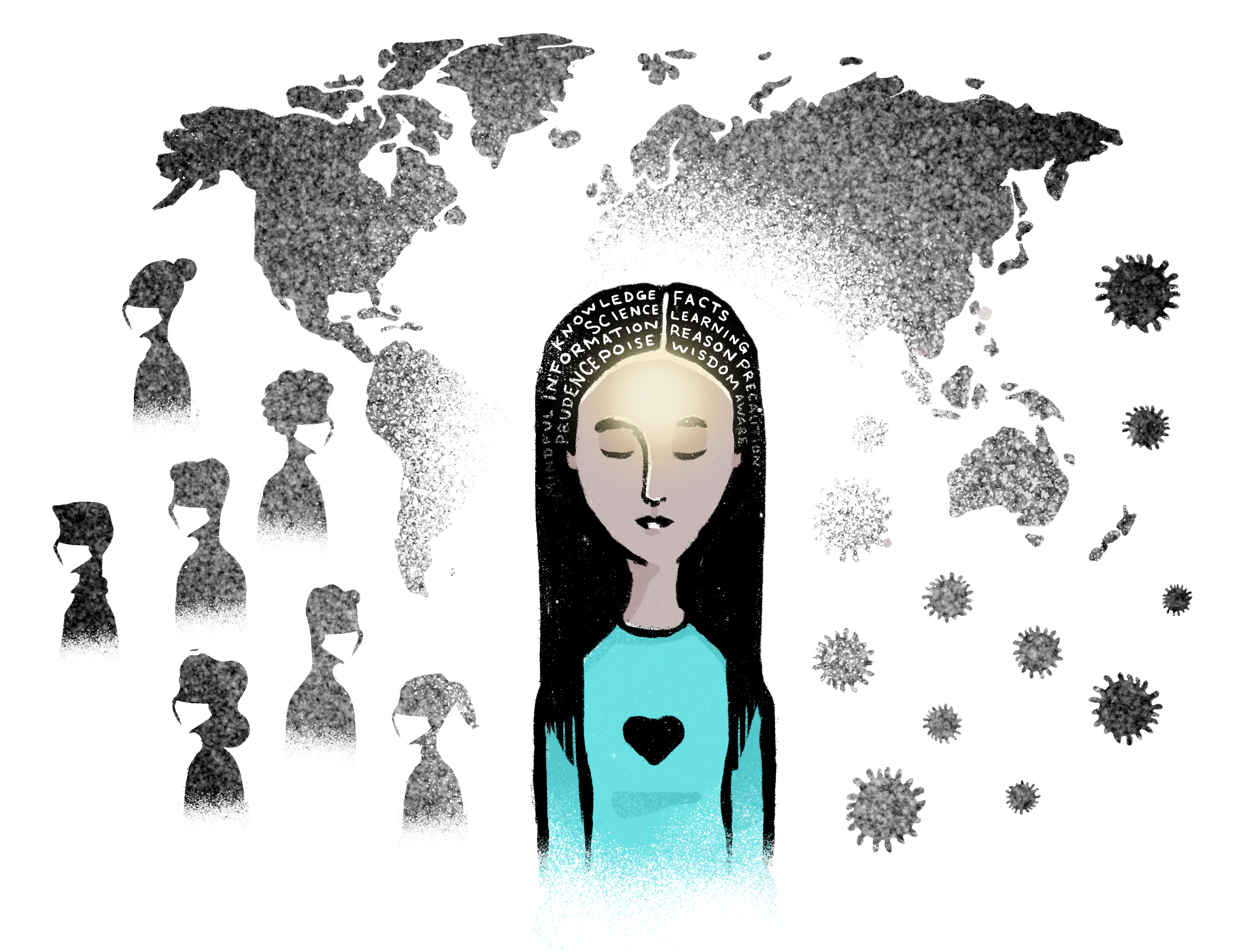
Mindemic, an Art Highlight
"Mindemic" is a visual representation of what Doryan feels we are all going through mentally during the COVID-19 pandemic.